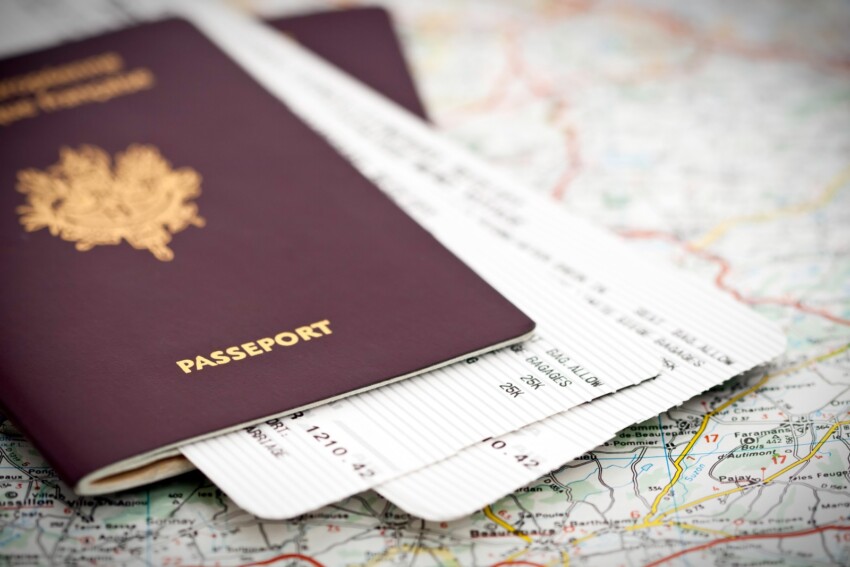
Croatia officially joined theSchengen area on 1 January 2023, greatly simplifying entry procedures for citizens of the European Union and the European Economic Area. At the same time, the country adopted the euro as its official currency, abandoning the Croatian kuna. These changes have made Croatia an even more accessible destination for European travellers, eliminating land and sea border controls with other Schengen states, whether travelling to the capital Zagreb or to coastal resorts.
Understanding entry requirements, however, remains crucial to organising a smooth trip. Regulations vary depending on the nationality of the traveller, the length of stay and the purpose of the visit. This article provides all the necessary information on required documents, mandatory registration procedures and economic requirements for entry into the Adriatic country.
Citizens of the European Union, the European Economic Area (Iceland, Liechtenstein, Norway) and Switzerland may enter Croatia on presentation of a valid identity document. Both passports and identity cards valid for travel abroad are accepted, provided the document is valid for more than the entire duration of the intended stay.
Renewed paper identity cards with a stamp on the back are recognised by the Croatian authorities as valid documents for entry. Electronic ID cards are also accepted, including those whose validity has been extended by means of a paper certificate. Extension certificates must be brought along with the electronic document.
With regard to the passport, the required residual validity is at least ninety days from the planned end date of the stay. It is important to check this date before departure, as border authorities may deny entry to travellers with expiring documents.
EU/EEA citizens do not need a visa for tourist stays of up to 90 days. The freedom of movement guaranteed by the Schengen agreements allows you to enter and leave the country without any special formalities, although it is always advisable to carry a valid document throughout your stay.
Citizens of non-EU/EEA countries must be in possession of a valid passport in order to enter Croatia. The document must have been issued within the ten years preceding the day of entry and must have a residual validity of at least three months beyond the intended date of departure from the country. The passport must also have at least two blank pages for entry and exit stamps. Those travelling by air can find useful information on flights to Croatia.
The need for a visa depends on the nationality of the traveller. Citizens of numerous countries, including the USA, Canada, Australia, Japan, New Zealand, the UK, Argentina, Brazil, Chile, Mexico and many others, can enter Croatia without a visa for stays of up to 90 days within a 180-day period. This exemption applies to tourism, private visits or business trips that do not involve paid employment.
Citizens of countries requiring visas must apply to the Croatian embassy or consulate in their country of residence prior to travel. Visas cannot be applied for at border crossings. The Croatian Ministry of Foreign Affairs publishes on its website the updated list of countries whose citizens require a visa.
An important facilitation concerns holders of valid Schengen documents: holders of a multi-entry Schengen visa or a residence permit issued by a Schengen country do not need an additional Croatian visa. The same applies to holders of visas and residence permits from Bulgaria, Cyprus and Romania.
For third-country nationals requiring a visa, an application must be submitted to theCroatian embassy or consulate responsible for your country of residence. The standard procedure generally takes several weeks, while an expedited processing option is available upon payment of an increased fee.
The documents required to apply for a tourist visa include a completed application form, an original passport with the validity requirements indicated above, two recent 35×45 mm colour photographs with a neutral expression, and a health insurance policy with a minimum coverage of 30,000 euro valid for the duration of the stay in Croatia.
Proof of the purpose of the trip must also be submitted, which may consist of a confirmed hotel reservation, a confirmation of a paid tourist package, or a letter of invitation from a Croatian resident if it is a private visit. The letter of guarantee from a Croatian citizen or a foreigner with a residence permit must be notarised.
Proof of sufficient financial means for the stay must be provided by means of recent bank statements, pay slips or other documents proving financial availability. The authorities may also require proof of safe accommodation and a return or onward travel ticket.
The visa fee varies according to the type of visa applied for. Certain categories of applicants are exempt from payment, including immediate family members of Croatian citizens, students and accompanying teachers travelling for educational purposes, researchers engaged in research activities, and young people under the age of 25 participating in seminars, conferences or events organised by non-profit organisations.
Minors must have individual documents in order to travel to Croatia. Since 2012, minors can no longer be registered on their parents’ passports and must have their own personal travel document, either a passport or a valid identity card for foreign travel.
If the child is travelling unaccompanied by at least one parent or legal guardian, a notarised declaration of consent from the legal representative is required. This document must contain the details of the legal representative, the purpose, period and duration of the stay in Croatia, and must be signed by the parent or guardian with a notarised signature.
For groups of minors travelling to participate in cultural, educational or sporting events, the application for a possible visa may be submitted by the authorised person who will act as an accompanying person, presenting the required documentation for each participant.
All tourists entering Croatia are obliged to register their presence within 24 hours of arrival. This procedure, stipulated by the Law on the Stay of Foreigners, is carried out through the eVisitor electronic system, a centralised national platform for registering tourists.
If you stay at accommodation facilities such as hotels, hostels, campsites or registered tourist flats, registration is done automatically by the facility itself. Facility operators are obliged by law to enter guest data into the eVisitor system within 24 hours of arrival and to delete them within 24 hours of departure.
In the case of accommodation in private homes not categorised for tourist purposes, such as friends or relatives, it is the host who must report the presence of the tourist to the local tourist board or to the relevant police station. Travellers must make sure that the host has actually registered, as failure to do so may result in administrative sanctions.
The eVisitor system collects personal data such as name, surname, type and number of identification document, gender, nationality, place of residence, country of birth and date of birth. These data are used exclusively for statistical control, verification of payment of tourist tax and security purposes, and are accessible only to the Tourist Board, the Ministry of Tourism, the Tourist Inspectorate, the Ministry of the Interior and the National Institute of Statistics.
To drive a car in Croatia, it is sufficient to have a valid driving licence from your country, provided that it complies with international standards. EU citizens may use their national driving licence without the need for an international driving licence. The driving licence must be valid and presented together with an identity document. For those who wish to explore the country independently, you can consult our guide on car rental in Croatia.
In addition to your driving licence, you must have your vehicle registration card or provisional waybill with you. RCA insurance is compulsory. As of 2023, the green card is no longer required for vehicles registered in EU countries, while it remains mandatory for those coming from non-EU countries or those heading to Dubrovnik through the short stretch of territory in Bosnia and Herzegovina.
For driving a non-owned vehicle, a written authorisation on plain paper is required, signed by the owner of the vehicle and accompanied by a photocopy of his or her identification document. Although the legislation technically requires notarisation, in practice this is rarely verified, but it is advisable to have it in order to avoid possible disputes.
A category A or A2 driving licence is required to drive motorbikes with an engine capacity of over 50 cc, and a nautical licence is mandatory for the use of motor boats, including inflatable boats regardless of power.
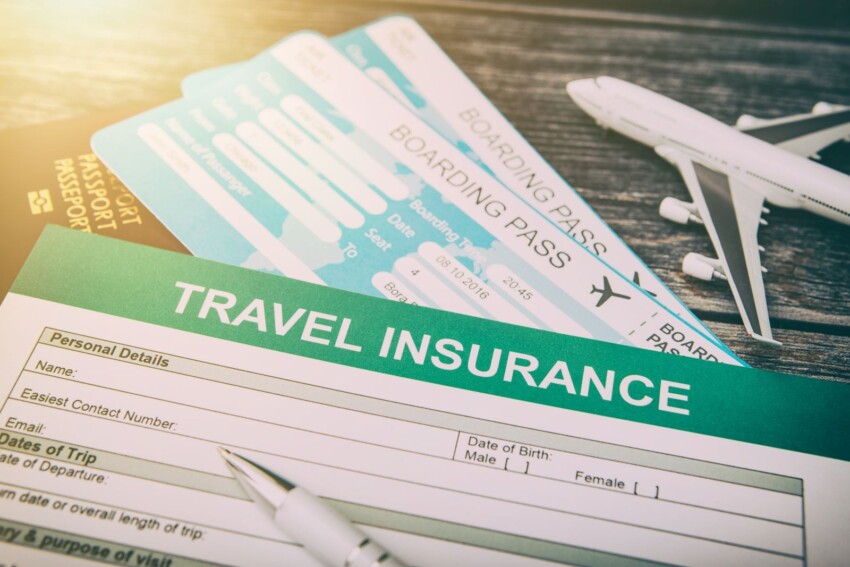
EU citizens have the right to health care in Croatia under the same conditions as Croatian citizens in public health care facilities. In order to benefit from this right, it is necessary to present the European Health Insurance Card (EHIC), commonly called the European Health Insurance Card. For more practical information on travelling, see our useful information section on Croatia.
The EHIC covers necessary medical treatment during your stay, but is not a substitute for comprehensive travel insurance. It is strongly advisable to take out a supplementary policy to cover any expenses not covered by public assistance, such as medical repatriation, transfer to private facilities, or non-emergency specialist treatment. Read more in our guide on travel insurance for Croatia.
For third-country nationals, health insurance with a minimum coverage of €30,000 is mandatory for obtaining a visa and must cover the entire period of stay. The policy must cover the costs of emergency medical assistance, hospitalisation and repatriation for health reasons.
Croatian customs regulations are aligned with those of the European Union. Passengers may carry personal luggage, including foodstuffs, medicines and other goods in accordance with the regulations. It is strictly forbidden to bring in meat, milk and meat products from non-EU countries such as Bosnia and Herzegovina, Serbia or Montenegro.
For medicines, you are allowed to bring in medicines for personal needs for a maximum period of 30 days, provided you can prove that the product is authorised in the country of origin and have supporting medical documentation. For anxiolytic, antidepressant or narcotic drugs, the permitted quantities are more limited (up to 15 days) and require a compulsory medical prescription.
Duty-free entry of goods in personal luggage is permitted if the total value does not exceed certain limits: €430 for air or sea travellers, €300 for land travellers. Goods that exceed these limits must be declared verbally to customs for the calculation of customs duties and VAT.
 Hotel
Hotel  Budget accommodations
  Apartments
  Family Hotel
  Luxury Hotel
  Resorts