Martinović Rooms
Budva - Ulica II 8
Book now

Located in the heart of the Budva Riviera, this coastal town is the centre of Montenegro‘s seaside tourism. With a history dating back over 2,500 years, Budva combines the charm of a perfectly preserved medieval town with the vibrancy of a modern seaside destination. Its Old Town, perched on a small peninsula and surrounded by imposing 15th century Venetian ramparts, holds ancient churches, cobbled squares and architectural treasures that tell of centuries of rule.
But Budva is not just history. The Budva Riviera stretches some 38 kilometres of coastline, offering visitors 35 beaches of golden sand, polished pebbles and hidden coves where the waters of the Adriatic sparkle with turquoise and emerald hues. The Mediterranean climate guarantees 230 days of sunshine a year, with warm summers ideal for the sea and mild winters that allow the town to be explored in all seasons.
This resort attracts all types of travellers: from families looking for well-equipped beaches and comprehensive services, to couples seeking romantic spots within medieval walls, to young people attracted by the vibrant nightlife that enlivens the waterfront until dawn. Affordable prices compared to other Mediterranean destinations, combined with an excellent offer of restaurants, bars and activities, have made Budva one of Europe’s most popular up-and-coming destinations.
From the fortified old town to the award-winning beaches, from excursions to the Boka Kotorska Bay to summer festivals on the sand, Budva will captivate you with its ability to satisfy every holiday wish, while retaining the Mediterranean authenticity that makes it special.
The Budva coastline is a succession of different seascapes, each with its own distinct personality. From large expanses of sand perfect for families to small coves hidden among the cliffs, from beaches bustling with beach clubs and music to quieter spots ideal for relaxation, you’re sure to find your ideal spot along these 38 kilometres of Adriatic coastline.
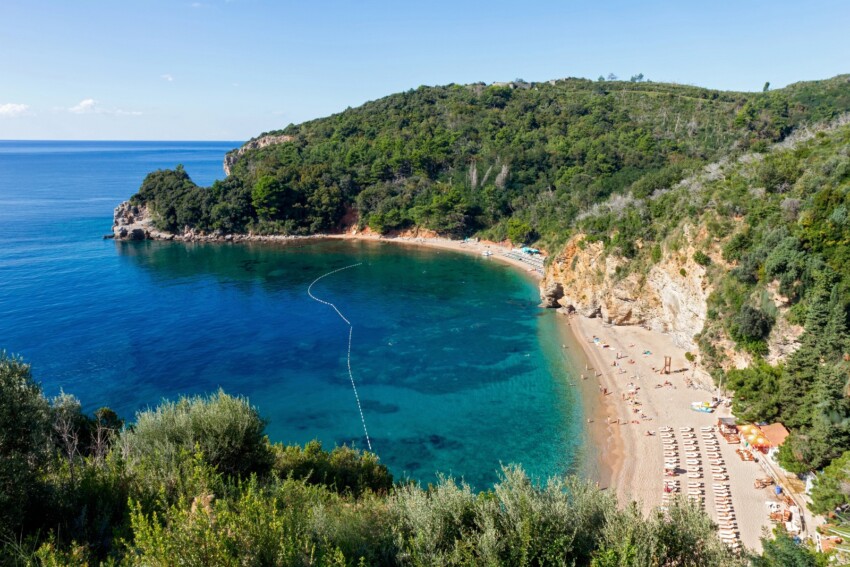
Considered by many to be the most beautiful beach in Budva, Mogren is reached by a pleasant 10-minute walk from the old town, via a scenic path that skirts the cliffs. On the way, you will pass by the famous Statue of the Dancer, the symbol of the town, a female figure in dancing pose silhouetted against the cliffs overlooking the sea. In reality, Mogren consists of two small, golden sandy beaches (Mogren I and Mogren II), about 350 metres long in total and connected by an impressive passage carved into the rock.
Surrounded by high cliffs covered with Mediterranean vegetation, this bay is naturally protected from the winds and boasts a more intimate atmosphere than the city beaches. The waters are incredibly clear and the seabed slopes gently, making it ideal for swimming and snorkelling. During the high season, Mogren can be very crowded, so arrive early in the morning to ensure a good spot.
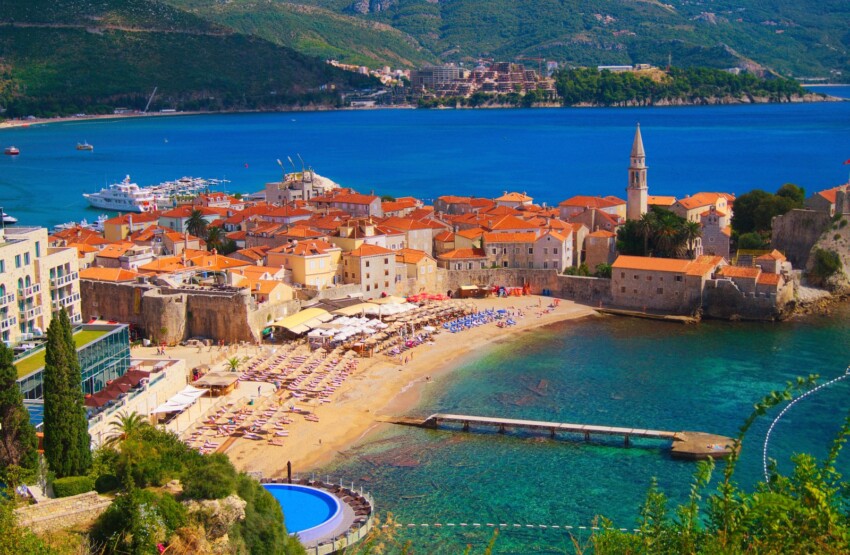
This is Budva’s main beach, a long strip of sand mixed with pebbles that stretches about 1,600 metres along the city’s waterfront. Slovenska Plaza is the beating heart of Budva’s beach life: always lively and bustling, it is dotted with bathing establishments, bars, restaurants and facilities for all kinds of water sports, from beach volleyball to five-a-side football, bungee jumping to racquet sports.
The large Hotel Slovenska Plaza complex dominates the beach, surrounded by lush Mediterranean vegetation with palm trees and exotic plants creating natural areas of shade. An elegant footpath runs along the shore, connecting the harbour area with the Old Town, perfect for daytime and evening strolls. During the summer, the beach fills with tourists from all over Europe, creating a cosmopolitan and festive atmosphere.
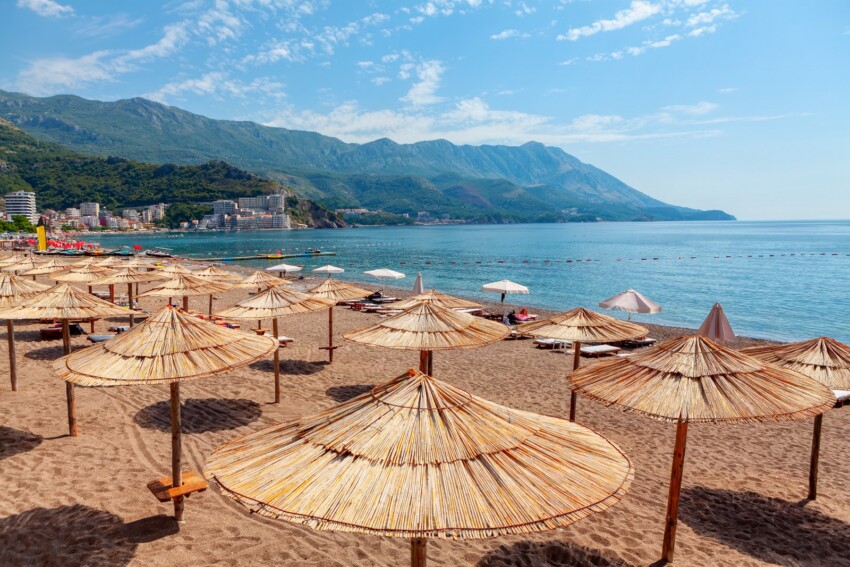
Just 2 kilometres from the centre of Budva is Bečići, probably the most famous beach on the Montenegrin Riviera. This magnificent stretch of almost 2 kilometres of fine sand mixed with small pebbles was proclaimed the most beautiful beach in Europe in 1936 during a prestigious international competition held in Paris, a title that still holds strong tourist appeal today.
Bečići is the perfect choice for those looking for comfort and quality services: well-organised bathing establishments, restaurants serving local and international cuisine, beach bars and numerous accommodation facilities overlooking the sea. The Mediterranean vegetation with tall palm trees and maritime pines creates an almost exotic atmosphere, offering natural areas of shade during the hottest moments of the day. The sandy seabed gradually slopes down, making it particularly popular with families with children. In the evenings, the Bečići waterfront comes alive with strollers enjoying spectacular sunsets with views of the mountains that embrace the bay.
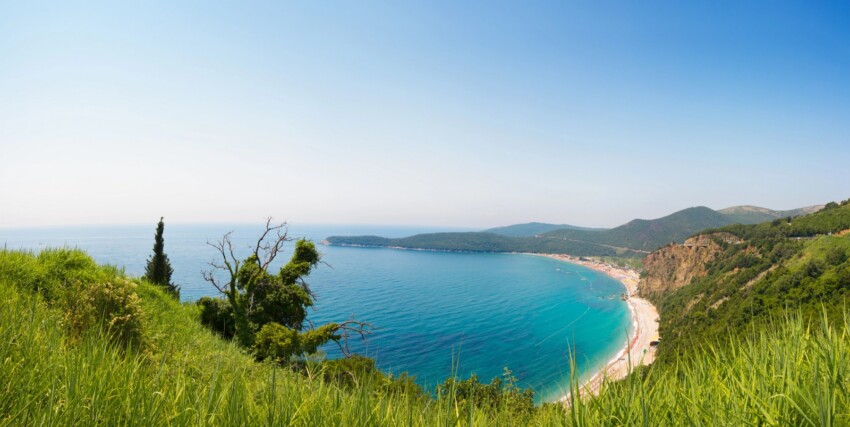
Located about 2.5 kilometres west of Budva, Jaz is a large pebble beach stretching for over a kilometre, particularly popular with the young crowd. It has become famous for hosting internationally renowned events, most notably the Sea Dance Festival, a major electronic music festival that attracts thousands of young people from all over Europe every summer for days of concerts, DJ sets and beach parties.
In addition to its party spirit, Jaz offers excellent opportunities for water sports: windsurfing, kayaking, stand-up paddle and jet skiing are just some of the activities available. The northern part of the beach is quieter and less well equipped, while the southern part has numerous beach bars and restaurants. A curiosity: a portion of Jaz is known to be frequented by nudists. Nearby is the famous Blue Cave (Plava špilja), which can be reached by boat, where the water takes on incredible blue tones thanks to the play of light.
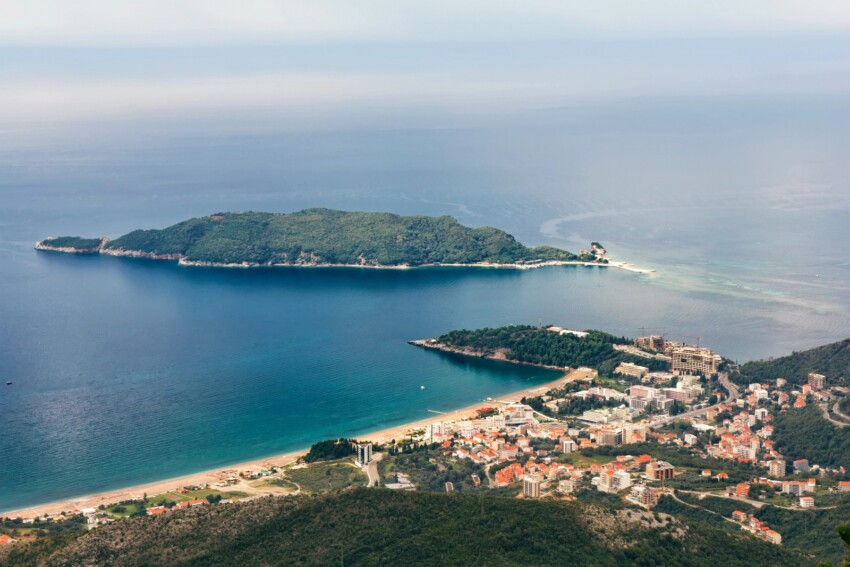
Less than a kilometre off the coast of Budva, easily reached by short taxi boat or tourist boat trips, is theisland of Sveti Nikola, affectionately called the ‘Hawaii of Budva’ by the locals. This island is the largest in this part of the Adriatic, at 2 kilometres long and about 40 hectares completely covered in Mediterranean vegetation, mainly conifers and maritime pines.
The island is a protected nature reserve where mouflons live freely, visible especially in the more wooded inner part. The three main beaches, totalling about 840 metres of coastline, consist of fine sand and small pebbles, with crystal-clear sea beds perfect for snorkelling. The atmosphere is wilder and quieter than on the mainland beaches, although during the high season the island can still be quite busy. There are a few bars and eateries serving fresh fish dishes and refreshing drinks.
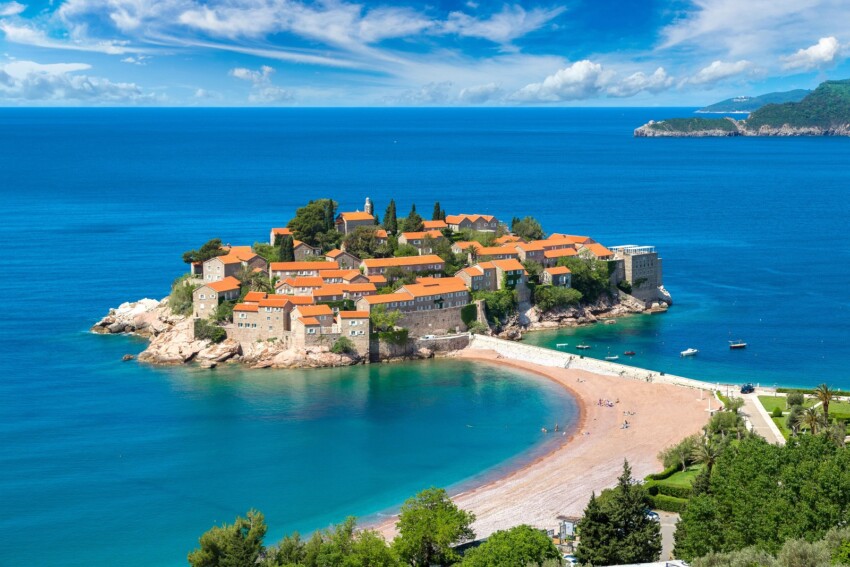
About 6 kilometres south-east of Budva lies the most iconic and photographed place in the whole of Montenegro: Sveti Stefan, a tiny fortified islet connected to the mainland by a narrow natural tombolo. What was once a fishing village of the Paštrovići tribe in the 15th century, transformed into a fortress to defend itself from pirates and the Ottomans, is now one of Europe’s most exclusive resorts, theAman Sveti Stefan, where celebrities such as Sophia Loren, Marilyn Monroe, Kirk Douglas and Bobby Fischer have stayed.
The island itself is not accessible to the public, reserved exclusively for resort guests, but you can admire this architectural gem from the surrounding beaches. The two main beaches are separated by the tombolo: Sveti Stefan Beach on the left side is public and consists of pink sand mixed with pebbles, while the beach on the right side, with paid access, is reserved for hotel guests. Also nearby are the King’s Beach and Queen’s Beach, so named because in the 1930s Villa Miločer, the summer residence of Yugoslavia’s Queen Marija Karađorđević, was built here. These beaches, set in a park with 800 centuries-old olive trees, offer picture-postcard scenery with pink sand contrasting with the deep blue sea.
There are numerous other beaches along the Riviera that are well worth a visit.

The beating heart of Budva is undoubtedly the Old Town (Stari Grad), a jewel of medieval architecture standing on what was once an island, later connected to the mainland by natural sedimentation. Surrounded by imposing bastions and defensive walls from the 15th century, built during the long Venetian rule (1442-1797), the Old Town is a labyrinth of narrow cobbled streets, hidden squares and stone palaces that retain the charm of the era. Strolling through its alleys you will discover craft shops, art galleries, historic cafes and restaurants where you can sample Montenegrin cuisine.
Don’t miss the Citadel, the fortress that dominates the peninsula from above, offering a breathtaking panoramic view of the Adriatic Sea and the city’s red rooftops. Among the religious buildings are the Church of St Ivan (St John) from the 7th century, which houses valuable paintings and icons by Venetian artists and an important library with ancient manuscripts; the Church of the Holy Mother of God, built by the Benedictines in 840 and also called ‘Mary on point’ due to its location; the Church of St Sava from the 14th century, dating from the Nemanjic period; and the Church of the Holy Trinity from 1804, with the tomb of Stjepan Mitrov Ljubiša, a famous Montenegrin writer, in front of it. St Mark’s lions, witnesses to Venetian rule, are still clearly visible on the city gates, while a splendid Baroque relief of the Querini family is set in the arch of the Mainland Gate.
The Archaeological Museum houses a rich collection illustrating Budva’s long history, from the time of its Illyrian foundation (5th century BC) to the present day. You can admire Hellenic pottery and jewellery, everyday objects from the Roman era, the remains of an ancient necropolis and altar, artefacts from a pre-Christian basilica and many other artefacts testifying to the various dominations over the centuries. Despite the devastating 1979 earthquake that destroyed much of the old town, the city was masterfully rebuilt within eight years, returning one of its most precious architectural treasures to Montenegro.
During the summer, Budva turns into the stage for numerous cultural events and festivals. The most important of these is the Budva City Theatre Festival (Budva Grad Teatar), which for a whole month brings theatre, concerts and performance art to the picturesque squares of the old town. The Poets’ Square hosts literary evenings and readings, while the town gallery organises contemporary art exhibitions. For nightlife enthusiasts, Budva offers a wide range of choices: from sophisticated rooftop bars with sea views to beach clubs such as the famous Ploce, a spectacular structure carved into the rock overlooking the sea with saltwater pools, to discos such as Top Hill and Trocadero, which enliven the nights until dawn.

Budva’s strategic location makes it an excellent base for exploring the wonders of Montenegro. Just a 40-minute drive north is Kotor (Cattaro), a UNESCO heritage town nestled in Europe’s southernmost fjord, with its spectacular medieval old town and fortress that climbs Mount St John. Also worth a visit is Perast, an extraordinarily beautiful fishing village with its two offshore islands-churches, including the famous Our Lady of the Rocks. There is no shortage of Orthodox monasteries around Budva: the Praskvica Mon astery and the Rezevici Monastery offer a window into local spirituality and fascinating architecture.
For nature lovers, we recommend an excursion to Skadar Lake National Park, the largest lake in the Balkans, where you can sail past floating villages, water lilies and pelican colonies. Lovćen National Park, with the mausoleum of the poet Petar II Petrović Njegoš situated atop the mountain of the same name, offers spectacular views from the sea to the mountainous hinterland. It’s also worth hiring a car to explore the more remote coastal resorts of the Riviera, such as the picturesque village of Petrovac with its Venetian promenade, or venture inland to discover ancient stone villages such as Njeguši, famous for its ham and local cheese.
Budva’s accommodation offer is extremely varied and can cater for every budget and need. If you want to immerse yourself in the historical atmosphere and have everything at your fingertips, the old town and its immediate surroundings offer flats in stone houses, small boutique hotels and family-run bed & breakfasts. Here you will be within walking distance of the most characteristic restaurants, nightlife and the Mogren beach, although you will have to allow for some night noise during the high season and the impossibility of reaching your accommodation by car (the streets of the old town are pedestrianised).
The Slovenska Plaza and waterfront area is ideal for those who want immediate access to the main beach. Here you will find numerous modern hotels of medium and high category, full-service aparthotels and residences with fully equipped flats. Prices are, on average, higher than in other areas, but the convenience of having the beach literally on your doorstep and all services along the waterfront more than compensates. Bečići, just 2 kilometres from the centre, is also a good choice for families. This residential area offers hotels with swimming pools, children’s entertainment and equipped beaches, in a slightly quieter setting than the centre of Budva.
Those looking for a more exclusive and romantic experience can opt for the area of Sveti Stefan and the surrounding area, where there are charming hotels, boutique hotels and villas surrounded by greenery with panoramic sea views. This area, although slightly further away from the centre of Budva (6-7 km), offers a more sophisticated and quiet atmosphere, with less crowded beaches and upmarket restaurants. Prices here tend to be higher, but the quality of services is generally superior.
For travellers on a tighter budget, we recommend looking for flats or rooms to rent in residential areas slightly away from the centre, such as the upper part of the city or nearby resorts like Rafailovići. Montenegro is still a relatively inexpensive destination compared to other Mediterranean destinations. However, remember to book well in advance if travelling in July and August, when demand is high and prices go up.
Getting to Budva is relatively easy thanks to Montenegro’s good transport network. The nearest airport is Tivat, located just 20 kilometres away (about 25-30 minutes by car). During the summer season, Tivat is served by numerous direct flights from major Italian and European cities. The second international airport is Podgorica, the Montenegrin capital, which is about 60 kilometres from Budva (about an hour’s drive).
Bus connections are frequent and reliable. From Dubrovnik there are regular buses to Budva (about a two-hour journey), as well as from other Croatian cities and Montenegrin localities such as Kotor (30 minutes), Herceg Novi or Podgorica. Direct connections are also available from Sarajevo in Bosnia-Herzegovina. For those coming from Italy by sea, ferries connect Ancona and Bari with the port of Bar (about 40 km south of Budva), from where they continue by bus or rented car.
Once in Budva, getting around is easy. The old town is completely pedestrianised and can be explored comfortably on foot. To reach more distant beaches such as Jaz or Sveti Stefan, inexpensive local buses are available, connecting the main resorts on a regular basis during the summer. Taxis are plentiful and relatively cheap, while hiring a car or scooter can be useful if you wish to explore the surroundings and the Montenegrin hinterland with more freedom.
What's the weather at Budva? Below are the temperatures and the weather forecast at Budva for the next few days.
Budva is located in the central part of the Adriatic coast of Montenegro, in the historical region of Southern Dalmatia. To the north, about 25 kilometres away, are the spectacular Boka Kotorska Bay with the town of Kotor, while to the south the coast continues towards Bar (40 km) and the border with Albania (about 70 km). The capital Podgorica is about 60 kilometres inland.

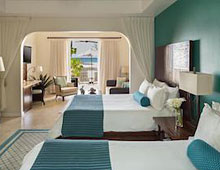 Hotel
Hotel 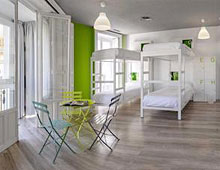 Budget accommodations
 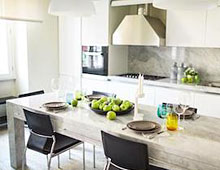 Apartments
  Family Hotel
 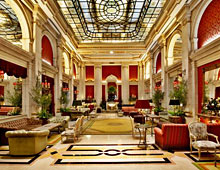 Luxury Hotel
  Resorts