Apartments THE BEACH RESORT VIR
Vir - Ulica Šetnica Jadro Ulica Šetnica Jadro 50
Book now
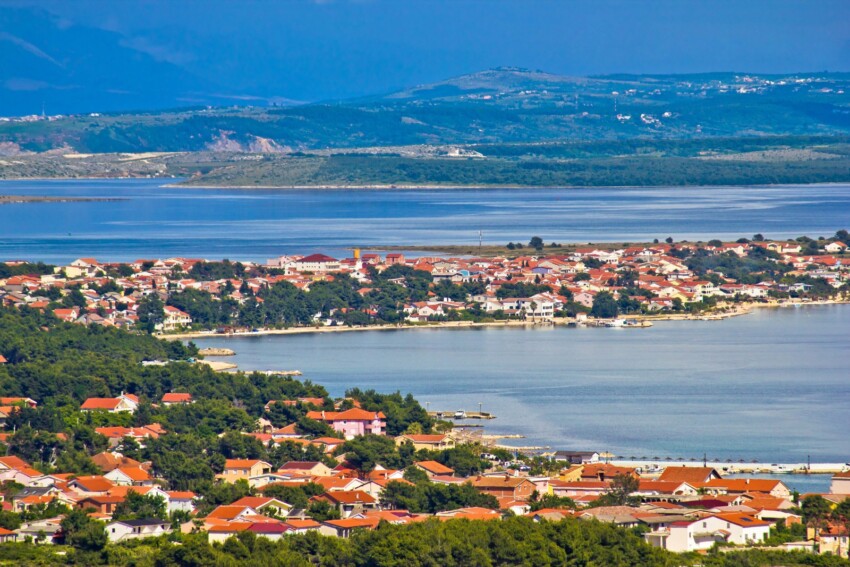
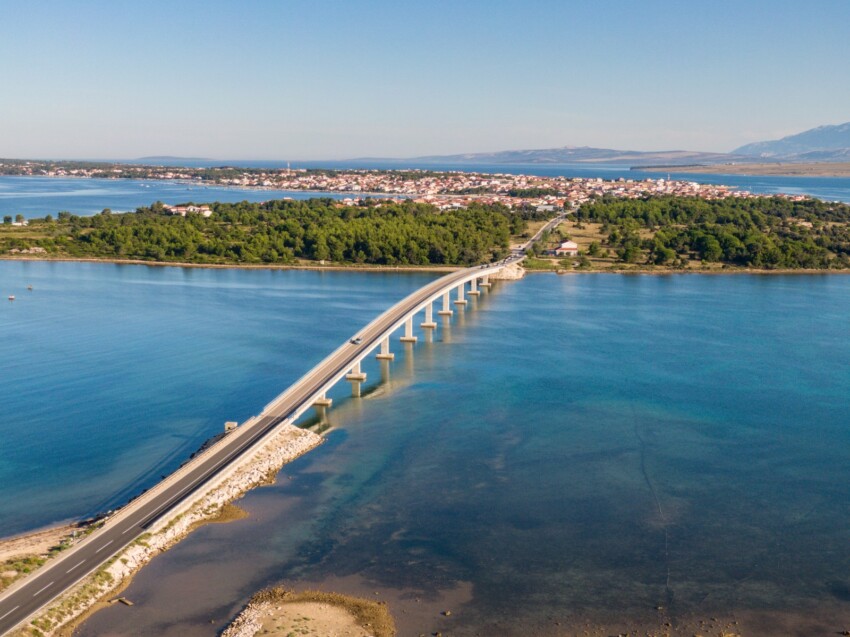
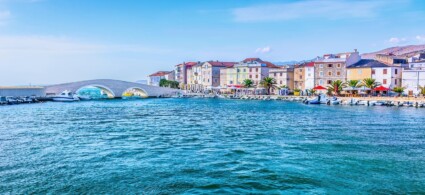
Theislandof Vir is one of the most accessible gems of theZadararchipelago, located in northern Dalmatia just 26 kilometres from Zadar. With an area of 22 square kilometres and connected to the mainland since 1976 by a modern bridge, Vir offers all the advantages of an island without the logistical complications of ferries. The island stretches approximately 10 kilometres in length and 4 in width, with a coastline that stretches over 32 kilometres between sheltered bays, sandy beaches and rocky stretches with reddish hues. The highest point is Mount Bandira, which reaches 112 metres and offers 360-degree views of the surrounding archipelago.
Vir’s landscape alternates between Mediterranean pine forests and centuries-old olive groves and fig fields, while the typically Adriatic climate ensures warm but breezy summers thanks to the mistral that blows constantly. This characteristic makes the island particularly popular with windsurfers and kitesurfers. The three main villages – Vir, Lozice and Torovi – are spread along the coast and maintain an authentic atmosphere, with white stone houses, small harbours and daily life marked by the rhythms of the sea.
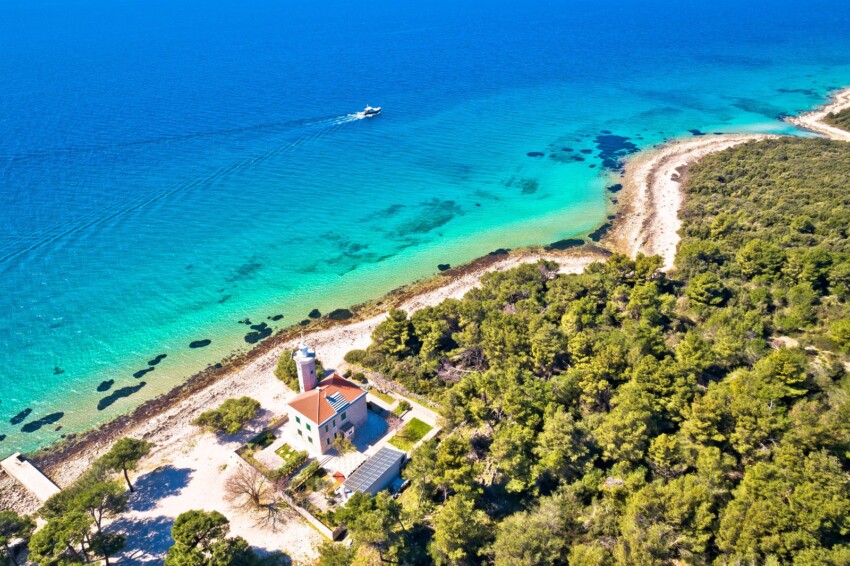
The island boasts an extraordinary variety of beaches that cater to every type of visitor, from families with children to lovers of unspoilt nature. In the north-western part of the island is Duboka Draga, unanimously considered the most spectacular beach on Vir. What makes this bay unique is the combination of golden sand and red rocks that create a striking colour contrast with the turquoise water. The locals affectionately call it ‘Crvena zemlja’ (red earth) or ‘Crvene stijene’ (red rocks). The beach is reached by taking a scenic road through the wildest part of the island, with ample parking available in the immediate vicinity. Being far from settlements, Duboka Draga retains a natural character and offers tranquillity even in the high season, although it lacks services such as bars or restaurants.
In the vicinity of Duboka Draga, accessible only by sea or via scenic paths, are the bays of Vrulja and Crvenka, small hidden paradises also characterised by their reddish rock formations and fine sandy beaches. Continuing along the northern coastline, the beaches of Slatina Velika and Slatina Mala (Big and Small Slatina) are the most popular destinations in this area. Both offer a combination of fine pebbles and sand, with gently sloping seabeds, ideal for families. Numerous restaurants and bars line these beaches, creating a lively but never chaotic environment.
At the heart of the main tourist area is Jadro beach, the true bathing centre of the island. This beach of smooth white pebbles with a sandy bottom is the centre of Vir’s summer life. The sea slopes down gradually, making it particularly safe for children, while the range of services is comprehensive: sunbeds and umbrellas for hire, beach bars, seafront restaurants, water sports schools and a wide range of entertainment activities. Daily excursions to the Kornati Islands and other pearls of the Zadar archipelago depart from the adjacent harbour. During the summer months, the Jadro beach hosts music events, sports tournaments and themed evenings that liven up the island’s nights.
On the southern side, in Sapavac Bay, there is a unique attraction: a fine sandy beach famous for its therapeutic mud that has been used since Roman times. The shoreline is protected by a pine forest that provides natural shade during the hottest hours, while the shallow, calm water creates ideal conditions for those seeking relaxation and well-being. The mud, rich in minerals and trace elements, is applied directly to the skin and is believed to have beneficial properties for rheumatic and dermatological conditions. Next to the beach is the Sapavac Campsite, while not far away stands the Venetian fortress of Kaštelina, giving the bay a special historical charm.
Other noteworthy beaches include Žitna, a long bay in the south-western part of the island characterised by pebbles and a sandy seabed, and Radovanjica, which alternates between sandy and pebble sections and is surrounded by numerous traditional restaurants. The small island of Školjić, which can be reached by swimming or a short boat ride from the port of Vir, offers a sandy beach surrounded by dense pine forest, perfect for those seeking an atmosphere of total isolation.
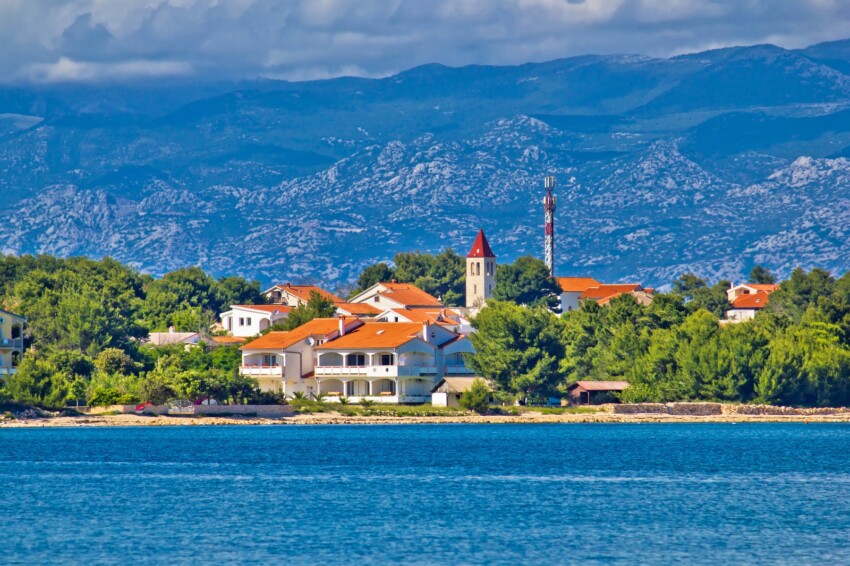
The undisputed symbol of Vir is Kaštelina, a 17th century Venetian fortress built on a rocky promontory in the east of the island. Erected by the Venetian Republic as a defensive bulwark against Ottoman incursions and pirates infesting the Adriatic, the structure still features the original perimeter walls, several circular turrets and a striking vaulted stone arch. During World War II, the fortress was used by partisans as a strategic observation point. Today, Kaštelina is partially restored and freely accessible, offering panoramic views of the Privlaka Canal and the Tsarist peninsula. The sunset seen from here, with the silhouettes of the islands silhouetted against the golden sea, is one of the most photographed sights on the island.
Only 7 kilometres from Vir lies Nin, the ancient Croatian royal town and the cradle of the medieval Croatian state. This small town, situated on an island only 500 metres in diameter and connected to the mainland by two stone bridges from the 16th century, preserves an exceptional historical heritage. It is home to the Church of the Holy Cross, dating back to the 9th century and considered the ‘smallest cathedral in the world’ with its elliptical layout and natural solar calendar functions. The pedestrianised old town, paved in white stone, houses the Church of St Anselm, remains of a Roman temple, the archaeological museum with Prince Višeslav’s baptistery and the Condura Croatica collection of old Croatian ships. The famous Queen’s Beach, a 3-kilometre-long tongue of golden sand in the Nin Lagoon, owes its name to the legend of King Tomislav, who dedicated it to his bride. The Nin salt pans, active since Roman times, represent some of the oldest salt production on the Adriatic and can be visited during the summer months.
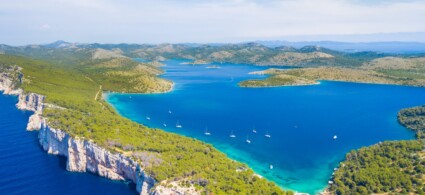
The island of Vir makes an ideal base for exploring the national parks of northern Dalmatia. Krka National Park, located some 60 kilometres away, enchants with its spectacular waterfalls, restored watermills and paths winding through limestone canyons and lush vegetation. The Kornati Islands, accessible by daily boat trips from the port of Vir, form the densest archipelago in the Mediterranean with over 140 islands, islets and reefs. Crystal-clear waters, vertical cliffs plunging into the deep blue and deserted bays create landscapes of primeval beauty. Paklenica National Park, some 50 kilometres away, offers mountain scenery with deep canyons, rock faces that attract climbers from all over Europe and a network of hiking trails through beech and black pine forests.
During the summer, the island comes alive with food and wine events celebrating local products: tastings of olive oil produced from the island’s centuries-old olive groves, evenings dedicated to freshly caught fish in traditional konobas, and wine festivals showcasing labels from the neighbouring Zadar region.
Vir’s accommodation offer is characterised by a predominantly homely and authentic feel, with private flats and holiday homes accounting for over 90 per cent of the available accommodation. Many of these properties are in prime locations, just a few steps from the sea, and often have small private moorings, making them particularly popular with yachtsmen. The dwellings, typically built of local stone with flowering gardens of bougainvilleas and oleanders, offer an authentic experience of staying in contact with everyday life on the island.
The scarcity of large hotels helps to maintain a relaxed and uncrowded atmosphere even in the height of the summer season. Those who want more comprehensive services can stay in nearby resorts such as Zaton, which has a large resort with swimming pools, entertainment and numerous activities, or Privlaka, just 3 kilometres from the bridge, where mid-range hotels can be found. It is advisable to book in advance for the months of July and August, especially if you are looking for beachfront flats or accommodation that accepts pets.
Zadar Airport is the most convenient air gateway to Vir, located about 13 kilometres from the centre of Zadar. The airport is well connected during the summer months with direct flights from many Italian and European cities.
From Zadar, regular buses operated by Liburnija connect the city with Vir several times a day, leaving from the central station (Autobusni kolodvor). The journey takes about 45-50 minutes and crosses the picturesque Zadar peninsula, passing through Nin and Privlaka before reaching the island.
For those who prefer the convenience of a car, Vir is easily reached by taking theA1motorway (Magistrala), which crosses Croatia from north to south. Coming from Zagreb (335 kilometres, about 3½ hours), exit at Posedarje and continue on the main road in the direction of Zadar-Nin.
Car hire is available both at Zadar airport and in the city, offering maximum flexibility for exploring the island and its surrounding attractions. The bridge that connects Vir to the mainland is open all year round without tolls, with a modern roadway that allows safe crossing even in strong winds.
Vir is located in theZadar archipelago, separated from the Privlaka peninsula by a strait called Privlački gaz (Privlaka ford), crossed by the bridge that connects it to the mainland. The island is 26 kilometres north of Zadar, 15 kilometres from Nin, and is geographically halfway between Kvarner in the north and central Dalmatia in the south.

 Hotel
Hotel  Budget accommodations
  Apartments
  Family Hotel
  Luxury Hotel
  Resorts